


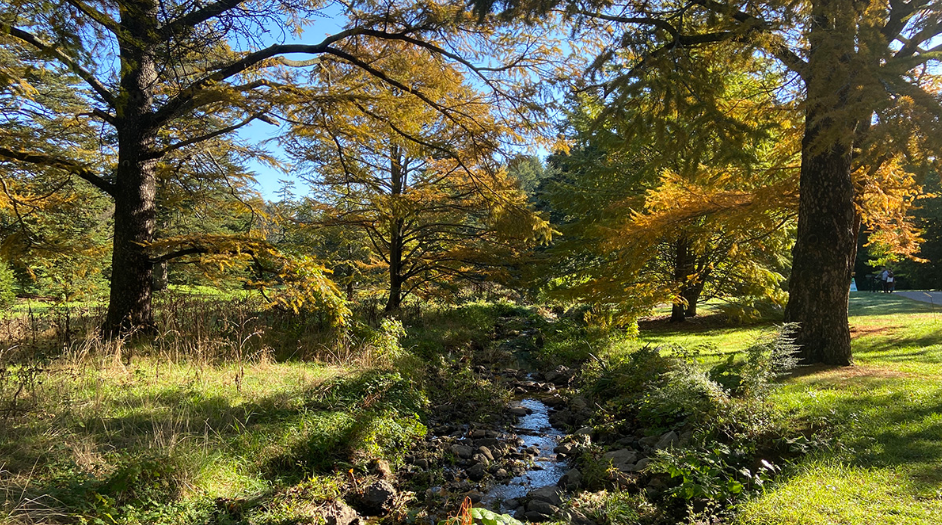
This Tuesday, the fellows of Eastie Farm’s Climate Corps gathered at the Arnold Arboretum of Harvard University to delve into the rich tapestry of urban green space and plant conservation. The visit was both educational and awe-inspiring, offering a unique look at how an expansive collection of trees and plants within a city can foster a deeper connection to nature. The fellows engaged in discussions about the role of urban arboretums in preserving biodiversity, learning how horticulture and environmental stewardship can harmoniously coexist.


The Arnold Arboretum, a centerpiece of Harvard University’s landscape, has been a living repository of botanical research and public education since its founding in 1872. This extensive arboretum reflects a legacy of environmental responsibility, serving as a crucial resource for scientists and the public alike. The collection ensures that every species is cared for and studied, contributing valuable insights to global botanical knowledge. At the heart of this green space are its historic trees, some of which have been thriving for over a century, providing shade, beauty, and ecological benefits to the area.


During the visit, the fellows had the unique opportunity to speak with an expert who has dedicated over 30 years of his life to the Arnold Arboretum. As he guided the group through the expansive grounds, he shared fascinating insights into the living museum’s sustainability efforts, including the transition to electric-powered equipment to reduce their environmental impact. He also explained their careful approach to pest management, using specific, eco-friendly pesticides to protect the plants while minimizing harm to the surrounding ecosystem. His deep knowledge and passion left the fellows with an appreciation for the care and innovation that sustain the arboretum’s thriving landscape.


The fellows’ visit to the Arnold Arboretum began with an introduction to its history and mission, providing the fellows with context to its significance and ongoing efforts in plant conservation. This foundation helped the participants gain a deeper appreciation for the arboretum’s role in promoting environmental awareness and preserving urban biodiversity, demonstrating its crucial role in ensuring a sustainable green space for the community and future generations.